
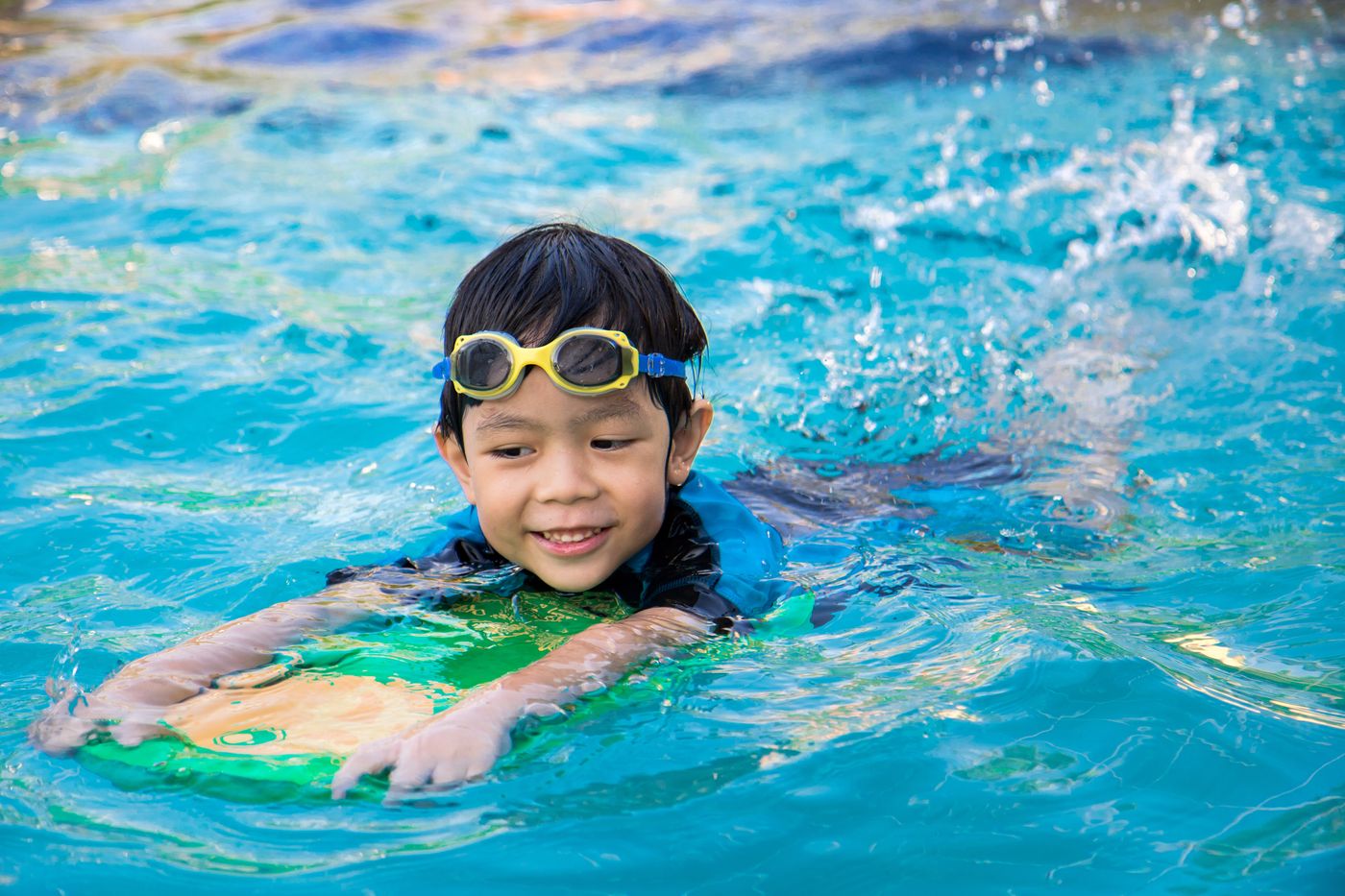
One of the most common questions parents ask before signing up for swim lessons is simple:
“How long will it take for my child to learn to swim?”
The honest answer is that it depends on what “learning to swim” means for your child.
For some swimmers, learning to swim means becoming comfortable in the water, floating independently, and building basic safety skills. For others, it means confidently swimming across the pool, understanding multiple strokes, and feeling comfortable in deeper water.
At Hudson Valley Swim, many children begin building confidence and foundational skills during an 8-week swim session through our swim lesson programs, but swimming is often a gradual process that develops over time. Just like learning to read, ride a bike, or play a sport, progress happens through consistency, repetition, and practice.
The good news is that most families start noticing meaningful progress much sooner than they expect.
What Progress Can Families Expect During an 8-Week Swim Session?
At Hudson Valley Swim, lessons are structured into 8-week sessions to help swimmers build confidence through consistent instruction and repetition. While every child progresses differently, many swimmers begin developing important foundational skills during their first session.
For beginner swimmers, this may include becoming more comfortable in the water, learning to float, putting their face underwater, improving breath control, kicking with better coordination, and safely reaching the wall independently.
For many parents, the biggest change is confidence. Children who once felt nervous about the pool often become calmer, more comfortable, and more willing to try new skills after several weeks of lessons.
That said, finishing one 8-week session does not necessarily mean a child has fully “learned to swim.” Rather, it often marks the beginning of a stronger foundation that future skills can build on.
Learning to Swim Looks Different for Every Child
One reason this question can be difficult to answer is because swimming ability exists on a spectrum.
For some children, learning to swim simply means developing enough comfort and awareness to move safely through water and respond calmly if they accidentally end up in deeper water. For others, swimming may mean confidently crossing the pool, building endurance, and learning proper stroke mechanics.
Every swimmer progresses differently depending on their age, comfort level, previous exposure to water, and overall confidence.
A child who spends time in pools regularly may progress more quickly than someone who is nervous around water or just getting started. Similarly, older children may understand instructions faster, while younger swimmers may need more repetition as they build trust and confidence.
Neither experience is wrong. Progress simply looks different for every swimmer.
Water Confidence Usually Comes First
For many beginners, especially younger swimmers, the first stage of learning to swim focuses on water comfort and safety.
Before children can confidently swim independently, they first need to feel comfortable in the water itself. That means learning to trust instructors, becoming more relaxed around the pool, understanding how their body moves in water, and developing basic safety habits.
For children just getting started, infant & toddler swim lessons and beginner-focused programs can help build confidence in a supportive environment.
This stage often includes skills such as:
floating independently
putting their face underwater
practicing breath control
safely reaching the wall
entering and exiting the pool confidently
and feeling calmer in unfamiliar water environments
Some children develop water confidence quickly. Others take more time, particularly if they feel hesitant or nervous. That is completely normal.
The goal is not rushing progress. The goal is helping swimmers build a positive relationship with water while developing skills safely and consistently.
Learning Swim Strokes Takes More Time
Once swimmers feel comfortable and confident in the water, instruction often shifts toward stronger technique and stroke development.
This is where many parents begin redefining what “learning to swim” really means.
Basic water safety skills can develop relatively quickly, but learning to swim confidently with proper technique usually takes more time.
Developing foundational strokes like freestyle, backstroke, breaststroke, and elementary backstroke often happens gradually. While many swimmers begin learning these movements early, building enough coordination and confidence to perform them well for short distances takes continued instruction and repetition.
Many swimmers begin introducing these skills in elementary swim lessons or youth swim lessons as their confidence grows and they become ready for more advanced instruction.
Swimming is more than simply moving arms and legs. Swimmers are learning breathing patterns, body positioning, timing, coordination, endurance, and water awareness all at once.
This is why consistent lessons tend to matter so much. Strong technique develops over time.
Why Some Children Learn Faster Than Others
Parents often wonder whether their child is progressing “fast enough.”
In reality, there is a wide range of what normal progress looks like.
Several factors can influence how quickly a swimmer develops, including age, previous water exposure, confidence, consistency, and personality.
Some children are naturally adventurous and eager to jump in right away. Others need more time to build trust before feeling comfortable trying new skills. Children who attend lessons consistently and spend time practicing between sessions also tend to progress faster than swimmers with long breaks between lessons.
This is one reason many families continue enrolling in ongoing swim lessons as skills develop and confidence grows over time.
The important thing to remember is that swimming is not a race.
Progress is rarely perfectly linear. Some weeks may feel slower than others before a child suddenly experiences a major breakthrough.
Is One Session Enough to Learn to Swim?
For some swimmers, one 8-week session may be enough to build confidence and basic independent swimming skills.
For others, especially children working toward stronger stroke technique or greater endurance, learning to swim may take multiple sessions.
This is particularly true for swimmers learning to:
swim longer distances independently
improve freestyle or backstroke technique
build endurance and breathing control
feel comfortable in deeper water
or refine strokes like breaststroke and elementary backstroke
For swimmers who would benefit from more individualized instruction or extra confidence-building, private swim lessons can sometimes help accelerate progress and provide additional support.
The encouraging part is that once swimmers build foundational confidence, continued progress often becomes easier and more noticeable over time.
So, How Long Does It Really Take to Learn to Swim?
For many children, noticeable progress begins during their first 8-week swim session. Families often see increased confidence, stronger water safety habits, and meaningful improvements in comfort and independence.
However, truly learning to swim with confidence often happens in stages. Most swimmers first build comfort in the water, then confidence, followed by stronger swimming technique, endurance, and stroke development as lessons continue.
Every swimmer’s timeline is different, and that is completely normal.
What matters most is consistency. With supportive instruction, patience, and regular practice, children can continue building swimming skills that help them feel safer, stronger, and more confident around water over time.
In Seminole, where pools, beaches, boating, and water activities are a regular part of life, learning water safety early can make a major difference.
Explore our swim lesson programs today and help your swimmer build confidence and skills that can last a lifetime.